



Matcha tea
Welcome to our matcha page! Matcha is a type of green tea that has been enjoyed for centuries in Japan and has recently gained popularity in the West. We offer a fantastic selection of matcha products, including matcha powder and matcha tea sets. Keep reading below to learn more about matcha and our products.

-
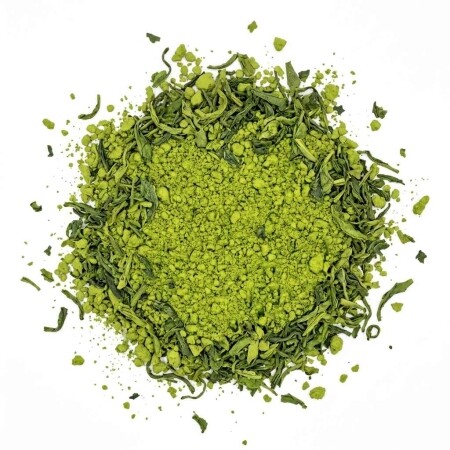 Matcha - tea powder from Japan 50 grams - Café du Jour loose teaCafé du JourAs low as 12.30246.00 / kg
 -
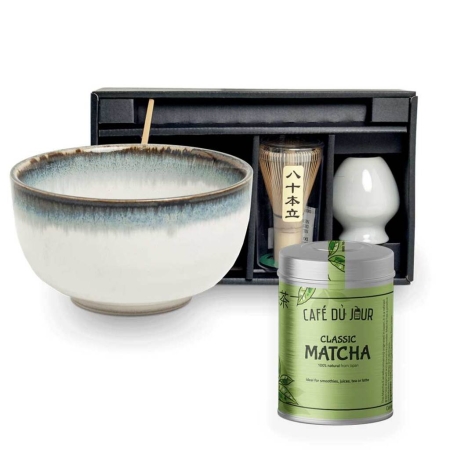
-
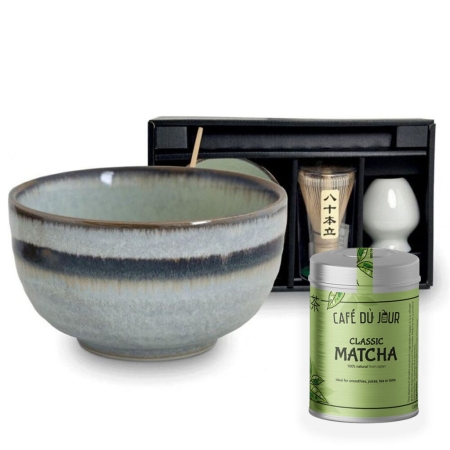
-
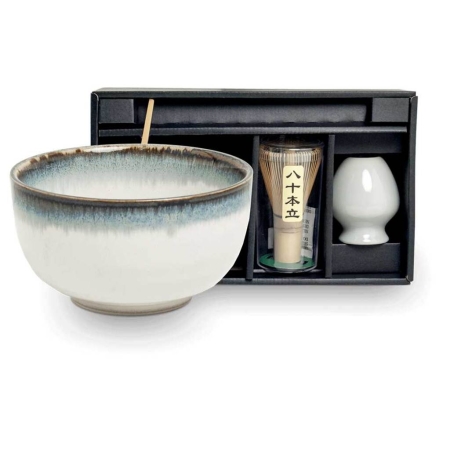
-
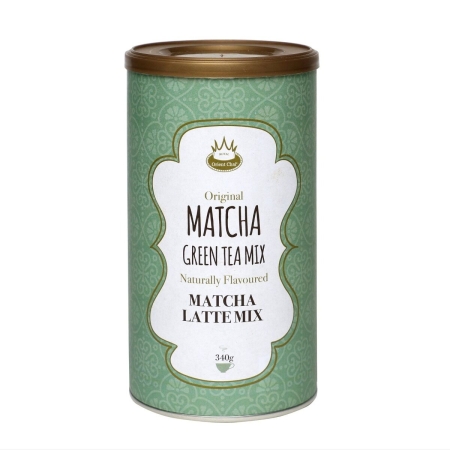
 Matcha Latte - Green tea Latte Mix - Café du Jour loose teaCafé du JourAs low as 14.89148.90 / kg
 -
-
-


What is matcha tea?
Matcha tea, unlike regular green tea, is made by grinding entire tea leaves into a fine powder, allowing you to consume all the nutrients from the leaves. The unique flavour of matcha, also known as the scientific fifth flavour umami, is best enjoyed as a matcha latte. With the perfect amount of matcha powder whisked with milk into a silky smooth foam, this is the ultimate treat for matcha lovers.
With its rich flavour, vibrant green colour, and fine texture, our matcha is perfect for making matcha lattes, matcha cakes, or simply enjoying a comforting cup of hot matcha tea.
Matcha powder
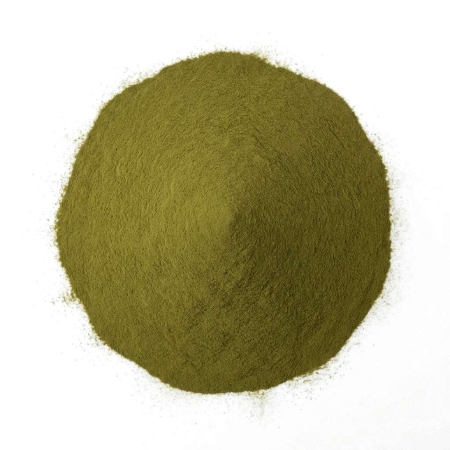
Matcha powder is made from ground green tea leaves. It's commonly used to make matcha tea but can also be added to smoothies, yoghurt, and even cakes. The powder is rich in antioxidants and also contains caffeine, making it an excellent alternative to coffee. Our matcha powder is of premium quality and comes in various sizes and prices depending on the quality.
Matcha tea
Matcha tea is made by mixing matcha powder with hot water. Since the whole leaf is consumed, matcha tea contains more antioxidants than regular green tea.
Disadvantages of matcha tea
- Can cause caffeine sensitivity: Although matcha releases caffeine more gradually than coffee, some people may still be sensitive to caffeine, leading to nervousness, insomnia, or an increased heart rate.
- Can be expensive: High-quality matcha tea can be costly, especially ceremonial-grade matcha, which may lead to higher expenses for regular matcha drinkers.
- May require an adjustment period: The distinct umami flavour and bright green colour of matcha tea might take some getting used to, requiring an adjustment period for new drinkers.
- May cause stomach upset: The high caffeine and tannin content in matcha tea can upset some individuals’ stomachs, particularly if consumed on an empty stomach.
It's important to weigh both the benefits and drawbacks of matcha tea to determine if it's right for your personal health needs and preferences.
Matcha tea accessories
Along with top-quality matcha powder and green tea, we offer a range of useful accessories to help you prepare the perfect cup of matcha tea. Here are some of our favourite matcha accessories:
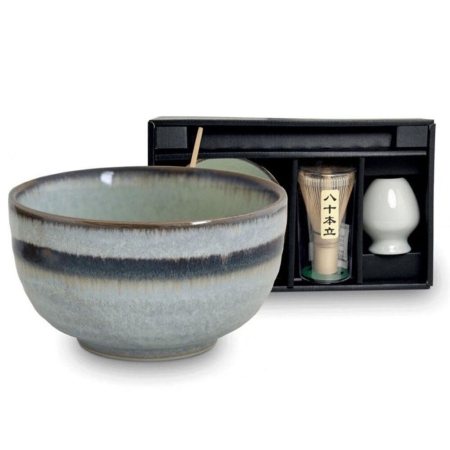
- Matcha bamboo whisk: Our authentic matcha bamboo whisk, also known as a "chasen", is specially designed to whisk matcha tea into a silky smooth foam. Made with high-quality bamboo, this whisk ensures even mixing of matcha powder and water for a perfect cup of matcha latte every time.
- Matcha bowl: Our traditional matcha bowl, also called a "chawan", is ideal for preparing and serving matcha tea. Made of durable ceramic, this bowl offers enough space to mix matcha powder and water into a smooth, vibrant green matcha drink.
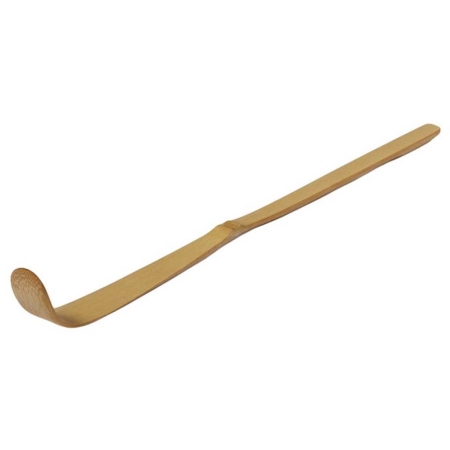
- Matcha spoon: Our matcha spoon, also referred to as a "chashaku", is specifically designed to measure the perfect amount of matcha powder for a single cup of matcha tea.
With these matcha accessories, preparing matcha tea becomes a simple and enjoyable experience. Whether you're an experienced matcha drinker or just beginning to explore this delightful tea, our accessories will help you craft the perfect matcha to suit your taste and preferences.
What is the difference between green tea and matcha tea?
The difference between matcha tea and green tea lies in their processing and preparation, resulting in distinct flavours and properties. Matcha tea, made from ground green tea leaves of the Camellia sinensis plant, is renowned for its vibrant green colour and umami flavour. This is because the entire tea leaf is ground into a fine powder, resulting in an intense flavour and high antioxidant content.
Green tea, on the other hand, is traditionally brewed by steeping the tea leaves in hot water, which extracts the flavour and nutrients. Although green tea also comes from the same tea plant as matcha, it has a subtler flavour and a lighter colour. Green tea comes in various varieties and can be savoured as a hot beverage or a refreshing iced tea.
The different preparation methods also affect caffeine levels and release. Matcha tea, since the whole tea leaf is consumed, contains more caffeine than traditional green tea.
Buy matcha tea at Café du Jour
What are you waiting for?