



Café du Jour: Robusta Coffee Beans – Bold Flavour & High Caffeine
What are Robusta coffee beans?
Robusta beans come from the Coffea canephora plant. They are known for their powerful flavour and high caffeine content. Robusta is the world’s second most cultivated coffee species after Arabica, and it is used both on its own and in blends.

-
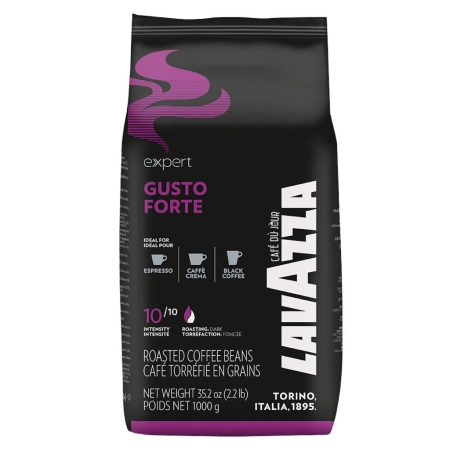 Lavazza Expert Gusto Forte - coffee beans - 1 kgChocolaty, Spicy 13 - Very strongAs low as 17.3417.34 / kg
 -
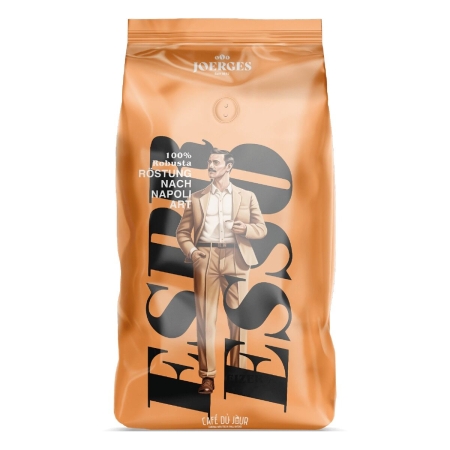 Joerges Heritage Espresso - Coffee Beans - 1 KilogramChocolaty, Nutty 10 - Very strongAs low as 14.5614.56 / kg


The name "Robusta" reflects the hardy nature of the plant. It grows at lower altitudes, tolerates heat and drought, and is less prone to disease than Arabica. That makes cultivation relatively straightforward and yields often higher.
Characteristics of the Robusta bean
- Round, compact bean shape
- Higher density than Arabica
- Caffeine content around 2.7% to 4% per bean
- Firm, bitter flavour with cereal-like notes
- Thick, lasting crema when used for espresso
Robusta vs Arabica: Key differences
Comparing Robusta and Arabica is one of the most common discussions among coffee lovers. Each bean has its own character and uses. Which one you choose depends on what you want from a cup of coffee.
Flavour
Arabica is generally softer and more aromatic, with fruity and sweet notes. Robusta delivers a stronger, fuller and more bitter profile. Robusta’s flavour often leans towards cereal, wood and sometimes dark chocolate.
Caffeine content
Robusta contains two to three times more caffeine than Arabica. Arabica typically has about 1.2% to 1.5% caffeine per bean, while Robusta ranges from roughly 2.7% to 4%. Caffeine naturally helps protect the plant from insects and fungi.
Origin and growing conditions
Arabica grows at elevations of 600 to 2,000 metres, in cooler climates. Robusta thrives at lower altitudes, between 0 and 800 metres, in warmer, more humid regions. These conditions help explain the differences in flavour.
Crema and espresso
Robusta beans produce a thicker, more stable crema than Arabica. That makes Robusta popular in espresso blends. The crema holds up well and gives the espresso a fuller appearance.
Price
Robusta beans are generally cheaper than Arabica. Higher yields per plant and easier cultivation contribute to the lower price. However, there are premium Robustas that, thanks to careful processing, command higher prices.
Flavour, aroma and caffeine
Robusta’s taste is pronounced and direct. If you enjoy strong, full-bodied coffee, Robusta is an interesting choice. The aroma is earthy and rich, with fewer floral or fruity notes than Arabica.
Why does Robusta taste bitter?
Robusta’s bitterness comes from its higher caffeine content and greater levels of chlorogenic acids. These compounds give the bean its distinct sharpness. Very dark roasting intensifies the bitterness, while a medium roast brings out more of the full, cereal-like tones.
Robusta caffeine figures
- Robusta bean: typically 2.7% to 4% caffeine
- Arabica bean: typically 1.2% to 1.5% caffeine
- An espresso made with Robusta contains noticeably more caffeine than a pure Arabica espresso
- Blends with 20–30% Robusta give a caffeine boost without overpowering the flavour
Robusta in blends
Many Italian espresso blends include a portion of Robusta. Combining Arabica and Robusta balances the cup: Arabica’s softness with Robusta’s strength and crema. A Robusta share of 20% to 40% is common for espresso blends.
Origin and cultivation of Robusta
Robusta coffee grows in a broad belt around the equator. The plant prefers warmth, moisture and lower altitudes. Major producing countries are found in Asia and Africa.
Robusta from Asia
Vietnam is the world’s largest producer of Robusta. Other important Asian producers include Indonesia and India. Vietnamese Robusta is known for its powerful, earthy flavour and is widely used in blends and instant coffee. Indonesian Robustas, such as those from Sumatra, often have a full body with spicy notes.
Robusta from Africa
In Africa, Uganda is one of the main Robusta producers. Ivory Coast and Congo also produce substantial quantities. African Robustas can show fruitier undertones than their Asian counterparts, depending on region and processing.
Farming and sustainability
Robusta is naturally more resistant to pests and disease than Arabica, so pesticide use is often lower. Still, sustainability varies greatly by producer. Organic and certified Robustas are available for consumers who care about origin and farming practices.
Single origin Robusta
Single origin Robusta comes from a specific region or farm, making the flavour profile transparent and traceable. Single origin Robusta is less common than Arabica single origins, but it is gaining popularity among coffee enthusiasts seeking the bean’s full character.
Buying Robusta coffee beans: Tips and recommendations
Buying Robusta beans requires attention to roast, origin and intended use. Whether you want pure Robusta or a blend, there are a few points to consider so you choose beans that suit your machine and taste.
Which coffee machines suit Robusta?
Robusta beans work well in almost any coffee machine. They perform strongly in espresso machines, bean-to-cup machines, moka pots and even French presses. Robusta is especially popular for espresso because of its stable crema and powerful flavour. In automatic machines it gives a full, intense cup.
100% Robusta or a blend?
Pure Robusta has a pronounced, bitter profile that may not suit everyone. A blend of Arabica and Robusta offers more balance. Try a blend first if you are new to Robusta. If you want the full Robusta experience, choose a 100% Robusta espresso from a carefully selected origin.
What to check when buying
- Roast: a medium roast reveals more nuance, while a dark roast intensifies bitterness
- Origin: opt for a named single origin or a clear blend
- Freshness: look for the roast date on the pack
- Grind: buy whole beans and grind just before brewing for best aroma
- Certification: choose organic or Rainforest Alliance certified beans if sustainability matters to you
Frequently asked questions about Robusta coffee
Robusta beans often raise questions, especially for those switching from Arabica. Below are the most common questions with answers.
What is the difference between Arabica and Robusta coffee beans?
Arabica is softer, more aromatic and less bitter. Robusta is stronger, fuller and higher in caffeine. Arabica grows at higher altitudes, Robusta at lower, warmer locations. Both beans have their own flavour profiles and uses.
How much caffeine is in Robusta coffee?
Robusta typically contains 2.7% to 4% caffeine per bean. That is two to three times more than Arabica. An espresso made with Robusta therefore delivers a noticeably stronger caffeine hit.
Is Arabica or Robusta more expensive?
Arabica is generally more expensive than Robusta. Arabica is more susceptible to disease, grows more slowly and needs specific conditions. Robusta yields more per plant, which lowers the price. Still, premium single origin Robustas can also command higher prices.
Which is better, Arabica or Robusta?
That depends entirely on personal taste. Arabica suits those who prefer a soft, complex coffee. Robusta suits those who want strength, body and high caffeine. Many coffee drinkers prefer a blend of both for daily drinking.
Why is Robusta bitter?
Robusta’s bitterness is due to higher caffeine and greater levels of chlorogenic acids. These compounds occur naturally as protection against insects. A lighter roast and careful brewing can reduce bitterness and highlight the bean’s earthy, full flavours.
Is there decaffeinated Robusta coffee?
Yes, decaffeinated Robusta exists. Decaffeination methods such as the Swiss Water process or CO2 extraction remove the caffeine from the bean. The flavour profile remains largely intact, although intensity may be slightly reduced.